


Adding a hot tub to your backyard can transform your home into a relaxing retreat. Whether you want a place to unwind after work or enjoy time with family and friends, a properly installed hot tub can provide comfort, wellness benefits, and long-term value. However, installing a tub is not as simple as placing it on a deck and filling it with water. Homeowners planning hot tub installations in Canada, particularly in colder climates like Alberta, need to ensure that the installation is done safely and professionally.
Table of Contents
- Why Professional Hot Tub Installation Matters?
- Planning the Perfect Location for Your Hot Tub
- Electrical Requirements for Hot Tub Installations
- Understanding Local Electrical Codes in Edmonton
- Steps Involved in a Professional Hot Tub Installation
- Energy Efficiency Tips for Hot Tub Owners
- Safety Tips for Hot Tub Use
- Choosing the Right Professionals for the Job
- Conclusion
Why Professional Hot Tub Installation Matters?
Many homeowners underestimate the complexity involved in installing. While the tub itself may seem straightforward, the electrical system behind it is critical for safe operation. A typically requires a dedicated circuit, a properly rated breaker, and a ground fault circuit interrupter (GFCI) for safety. Professional hot tub installation services ensure that these electrical components are installed correctly and in compliance with Canadian electrical codes.
Attempting a DIY installation can result in electrical hazards, improper wiring, or damage to the hot tub equipment. Hiring a qualified electrician helps ensure that your system is installed safely, inspected properly, and ready to perform efficiently. This is especially important in Alberta, where extreme winter temperatures and outdoor installations require durable wiring and weather-resistant components.
Planning the Perfect Location for Your Hot Tub
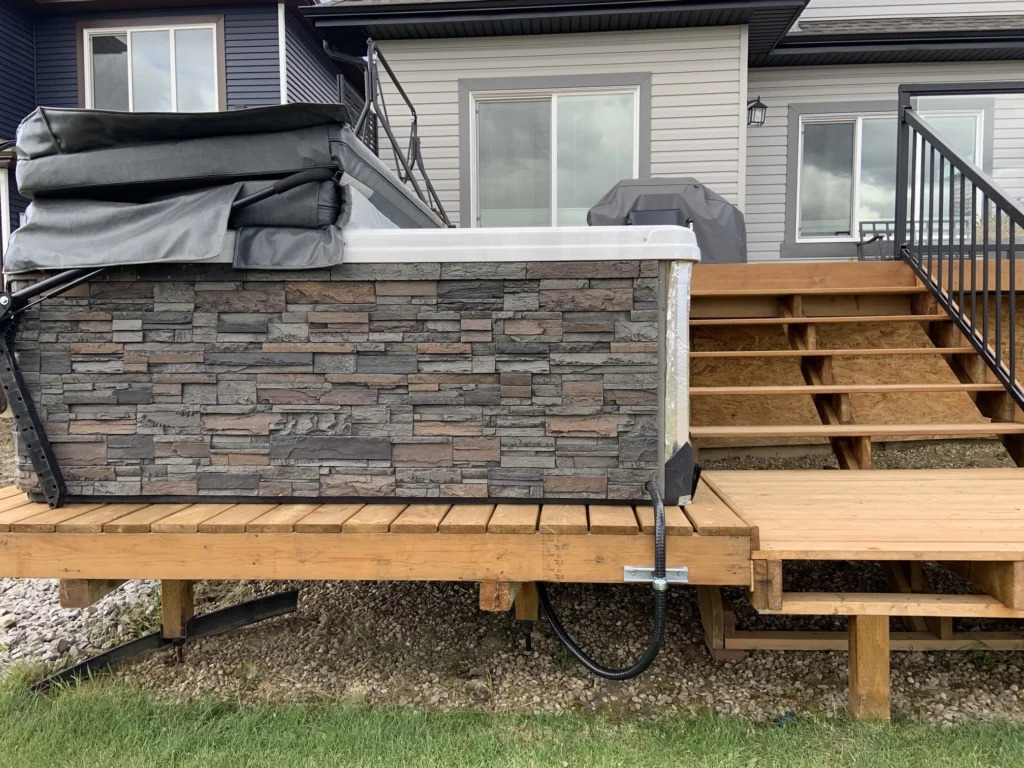
Choosing the right location is an important step in the installation process. The placement of the impact both functionality and safety. When planning installations, homeowners should consider accessibility, proximity to electrical systems, and ground stability. It should be placed on a solid, level base such as a reinforced concrete pad, a properly built deck, or a professionally prepared patio surface. The foundation must be strong enough to support the weight of the filled tub and the people using it.
Distance from the home is another important consideration. Installing the tub too far away from the electrical panel can increase wiring complexity and cost. At the same time, local building codes may require specific clearances from structures or property lines. In colder regions, homeowners may also prefer to install the hot tub closer to the house to allow easy access during the winter months.
Electrical Requirements for Hot Tub Installations
The electrical setup is one of the most critical parts of a safe system. Most modern tubs require a dedicated 240-volt circuit connected to the home’s electrical panel. This circuit ensures the tub can operate without overloading other appliances or circuits in the house. A GFCI breaker is required to protect users from electrical shock. If a fault occurs, the breaker immediately shuts off the power, preventing dangerous situations.
During a professional hot tub installation, an electrician will typically perform several key tasks:
- Install a dedicated electrical circuit
- Add a GFCI disconnect panel within the required distance
- Ensure proper grounding and bonding
- Inspect the main electrical panel capacity
In some cases, homeowners may need an electrical panel upgrade if the existing panel cannot handle the additional load. Proper load management ensures the home’s electrical system remains stable and safe.
Understanding Local Electrical Codes in Edmonton
Homeowners planning in Edmonton must comply with local electrical regulations and building codes. These rules exist to protect homeowners and ensure safe electrical operation in residential environments.
For example, Canadian electrical code requirements may specify:
- Required placement of disconnect switches
- Grounding and bonding standards
- Weather-resistant electrical equipment
Working with a professional electrician familiar with local regulations ensures the installation meets all safety standards. It also helps prevent inspection issues if the property is sold in the future.
Steps Involved in a Professional Hot Tub Installation
A professional installation follows a structured process designed to ensure safety, efficiency, and long-term reliability.
1. Initial Assessment
The process begins with evaluating the property, electrical panel capacity, and preferred installation location. This helps determine whether upgrades or adjustments are needed.
2. Electrical Planning
An electrician will design the wiring layout for the hot tub. This includes the dedicated circuit, disconnect box placement, and wiring route from the electrical panel.
3. Installing the Electrical Components
Once planning is complete, electrical wiring, breakers, and safety devices are installed. All components must meet Canadian electrical standards.
4. Final Testing and Inspection
Before the hot tub is used, the entire system is tested to ensure it operates safely and efficiently. This step ensures the installation meets code requirements and performs as expected.
These professional installation services help prevent electrical failures and ensure the system operates safely for years.
Energy Efficiency Tips for Hot Tub Owners
Energy efficiency is an important factor when planning hot tub installations, especially in regions where electricity costs can fluctuate. A well-installed hot tub can operate efficiently without significantly increasing energy bills. Electrical efficiency also depends on proper wiring and load management. Professional installation ensures the system operates efficiently without unnecessary power loss.
Homeowners can improve efficiency by:
- Installing the hot tub in a wind-protected location
- Maintaining proper water temperature
- Scheduling regular maintenance checks
Safety Tips for Hot Tub Use
Routine inspections and maintenance ensure the system continues to operate safely over time. While hot tubs are designed for relaxation, safety should always remain a priority. Proper installation is only the first step; safe usage is equally important.
Homeowners should follow a few basic safety practices:
- Keep electrical equipment away from the tub
- Ensure children are supervised at all times
- Regularly inspect wiring and control panels
Choosing the Right Professionals for the Job
Installing a hot tub requires knowledge of electrical systems, local codes, and proper safety procedures. Choosing experienced professionals for hot tub installation services helps ensure the project is completed correctly the first time.
Working with licensed electricians helps homeowners avoid costly mistakes and ensures compliance with safety regulations. Experienced professionals can also identify potential issues such as insufficient electrical capacity or improper grounding before installation begins. For homeowners choosing the hot tub installation in Edmonton, working with a trusted electrical contractor ensures that the project is completed safely and efficiently from start to finish.
Frequently Asked Questions
How long does a hot tub installation take?
Most installations can be completed within a few hours once the electrical setup is prepared. However, additional time may be required if panel upgrades or foundation work is needed.
Do I need a permit for a hot tub installation?
In many cases, electrical permits are required for installations to ensure compliance with local safety codes. A professional electrician typically handles this process.
Can my existing electrical panel support a hot tub?
It depends on your current panel’s capacity and the hot tub’s electrical load. An electrician can evaluate whether upgrades are necessary.
What is the safest way to install a hot tub?
The safest approach is hiring licensed professionals who specialize in electrical installation and outdoor electrical systems.
Conclusion
A hot tub can bring comfort, relaxation, and value to your home when installed correctly. Proper planning, safe electrical setup, and professional expertise are essential for long-term performance. For homeowners planning their next project, professional guidance can make the entire process smooth and stress-free. If you’re considering a new installation, visit our location and connect with the team at Pro West Electrical to learn more about safe, reliable installation solutions for your home.


