


An asphalt shingle roof is one of a home’s most important protective components. It helps shield the structure from rain, wind, sunlight, temperature changes, and other environmental conditions. However, even quality roofing materials need proper installation, routine maintenance, and professional evaluation to perform effectively over time.
Table of Contents
- 1. Professional Asphalt Roof Inspections
- 2. Quality Asphalt Roofing Installation
- 3. Roof Replacement Planning
- 4. Roof Ventilation Assessment
- 5. Flashing and Roof Penetration Evaluation
- 6. Shingle and Material Assessment
- 7. Preventive Roofing Maintenance
- How Local Conditions Can Affect Asphalt Roofing
- How to Get More Value From Asphalt Roofing Services
- Frequently Asked Questions About Asphalt Roofing
- 1. How long can an asphalt shingle roof last?
- 2. How often should an asphalt roof be inspected?
- 3. Is professional installation important for asphalt shingles?
- 4. What are the most common signs of an aging asphalt roof?
- 5. Does attic ventilation affect roof lifespan?
- 6. Should homeowners replace the entire roof when only some shingles appear worn?
- 7. How should homeowners choose an asphalt roofing contractor?
- Frequently Asked Questions About Asphalt Roofing
- Building a Long-Term Roofing Strategy
- Conclusion
Several factors influence a roof’s lifespan, including material quality, installation methods, ventilation, drainage, weather exposure, and maintenance practices. Choosing the right asphalt roofing services can help homeowners spot potential issues early and make informed decisions about maintenance or eventual roof replacement.
Professional roofing services can range from inspections and installation to ventilation assessment and replacement planning. Each service addresses a different part of the roofing system and can improve long-term performance.
Below are seven essential services homeowners should understand when looking to extend the useful life of an asphalt roof.
1. Professional Asphalt Roof Inspections
Regular inspections provide an opportunity to evaluate the overall condition of a roofing system before minor concerns become more significant.
What Does a Roof Inspection Include?
A professional inspection may assess:
- Shingle condition and surface wear
- Missing, cracked, or displaced shingles
- Flashing around roof penetrations
- Valleys and drainage areas
- Ventilation components
- Signs of moisture intrusion
- Roof edges and exposed areas
- General installation quality
Inspections are particularly useful after severe weather or when a roof begins showing visible signs of aging. A professional can document existing conditions and explain whether to consider routine maintenance, further evaluation, or eventual replacement.
Routine inspections also help homeowners understand how their roof is aging instead of relying solely on visible symptoms from the ground.
2. Quality Asphalt Roofing Installation
Installation quality directly affects roofing performance. Even high-quality shingles can perform poorly when installers overlook key details.
During asphalt roofing installation, important considerations include proper underlayment, shingle alignment, fastening, flashing, ventilation, and attention to roof penetrations.
Why Installation Details Matter
A properly installed roofing system is designed to function as a complete assembly. Shingles, underlayment, flashing, ventilation, and other components each have a role in protecting the structure.
Poor fastening or incorrect placement can affect wind resistance. Improper flashing can create vulnerable areas around chimneys, vents, walls, and other penetrations. Inadequate ventilation can also contribute to excessive heat and moisture accumulation within the roof assembly.
For this reason, choosing an experienced professional for installation is an important long-term consideration.
3. Roof Replacement Planning
No roofing material lasts indefinitely. When an asphalt roof reaches the later stages of its service life, replacement planning can help homeowners avoid rushed decisions.
A replacement assessment should consider the roof’s age, visible condition, previous installation work, ventilation, underlying structure, and the expected performance of replacement materials.
When Should Replacement Be Considered?
Common indicators include:
- Widespread shingle deterioration
- Persistent signs of moisture intrusion
- Extensive loss of shingle granules
- Multiple areas showing significant wear
- Repeated concerns across the roofing system
- A roof approaching the expected end of its service life
Roof replacement is not simply about installing new shingles. It is an opportunity to evaluate the complete roofing assembly and address installation details that can influence future performance.
4. Roof Ventilation Assessment
Ventilation is sometimes overlooked when homeowners think about roof longevity, yet airflow plays an important role in managing heat and moisture within the attic and roofing system.
How Does Roof Ventilation Help?
A balanced ventilation system allows air to move appropriately through the attic space. Depending on the home’s design, this may involve intake and exhaust ventilation working together.
Proper ventilation can help manage:
- Excessive attic heat
- Moisture accumulation
- Condensation concerns
- Premature material deterioration
- Uneven temperature conditions
During an evaluation, a roofing professional can determine whether the existing ventilation arrangement fits the roof design and attic configuration.
5. Flashing and Roof Penetration Evaluation
Roof penetrations are areas where different materials and surfaces meet. Examples include vents, chimneys, skylights, walls, and other structures extending through the roofing plane.
Flashing helps direct water away from these vulnerable transition points.
Why Is Flashing Important?
Even when shingles are in good condition, improperly installed or deteriorated flashing can create pathways for moisture. Professional asphalt roofing services should therefore include careful attention to flashing and other roof-to-wall or roof-to-penetration transitions.
During an inspection, these areas should be evaluated for proper integration, visible deterioration, gaps, displacement, or other conditions that could affect water management.
6. Shingle and Material Assessment
Asphalt shingles are available in different styles, construction types, performance categories, and appearance options. Choosing a suitable product requires more than selecting a color that complements the home.
Material selection should account for the roof’s design, local weather exposure, manufacturer requirements, desired appearance, and project objectives.
Understanding Asphalt Shingle Options
Homeowners may encounter options such as:
- Three-tab shingles
- Architectural shingles
- Impact-resistant products
- Products designed for specific performance characteristics
An experienced asphalt roofing contractor in Austin, Texas, can explain the differences between available products and identify options that align with the property’s needs.
The goal should be to balance appearance, performance, installation requirements, and long-term value rather than choosing a product based on one feature alone.
7. Preventive Roofing Maintenance
Preventive maintenance helps homeowners stay informed about the condition of their roofing system. Instead of waiting until a visible problem develops, routine evaluations can identify changes that deserve attention.
What Can Preventive Maintenance Address?
Depending on the condition of the roof, maintenance planning may involve:
- Checking shingle condition
- Reviewing flashing
- Assessing ventilation
- Examining roof penetrations
- Monitoring areas vulnerable to water accumulation
- Removing appropriate surface debris
- Documenting changes over time
Always perform maintenance according to the roofing material manufacturer’s recommendations and the property’s specific requirements.
A consistent maintenance approach makes roof performance easier to monitor and helps homeowners plan future projects more effectively.
How Local Conditions Can Affect Asphalt Roofing
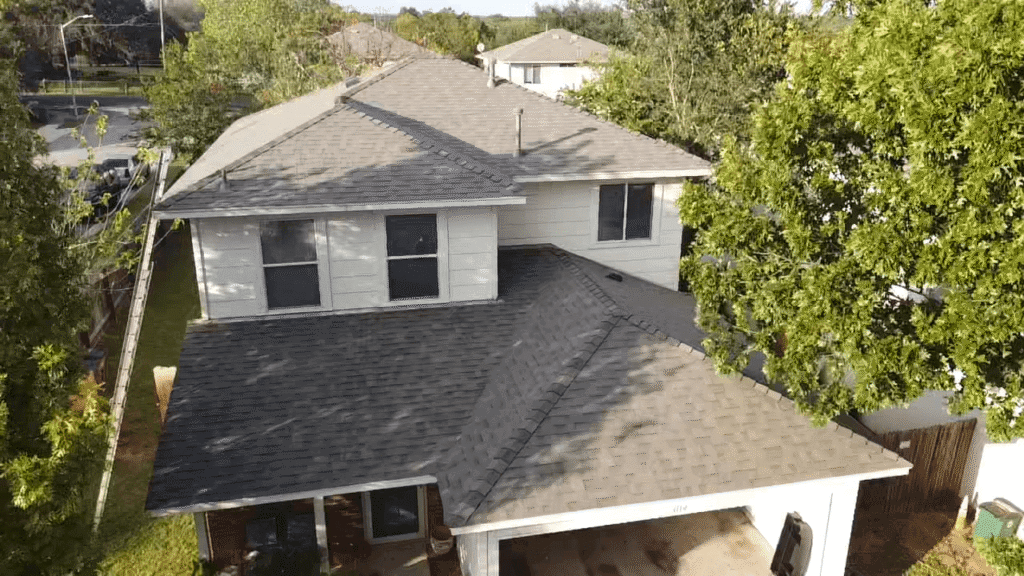
Weather exposure can influence how quickly roofing materials age. Strong sunlight, temperature fluctuations, wind, heavy rainfall, and seasonal storms can all place stress on an asphalt roofing system.
For homeowners researching asphalt roofing in Austin, TX, understanding the local environment is particularly relevant when evaluating material selection, ventilation, installation practices, and long-term maintenance.
A roofing professional familiar with local construction conditions can provide practical guidance based on the roof’s design and exposure rather than relying on a one-size-fits-all recommendation.
How to Get More Value From Asphalt Roofing Services
Getting the most from a roofing project involves more than selecting a contractor and choosing shingles. Austin Homeowners should ask questions, review material specifications, understand the proposed scope of work, and request clear explanations of installation procedures.
Consider asking:
- What condition is the existing roofing system in?
- Which roofing materials are appropriate for the property?
- What ventilation improvements may be needed?
- How will flashing and roof penetrations be handled?
- What installation standards will be followed?
- What maintenance should be performed after installation?
- What signs would indicate that the roof needs professional evaluation?
Clear communication can help homeowners understand what they are investing in and why each part of the roofing system matters.
Frequently Asked Questions About Asphalt Roofing
1. How long can an asphalt shingle roof last?
The lifespan varies depending on the shingle type, installation quality, ventilation, weather exposure, maintenance, and other factors. Manufacturer specifications can provide a useful starting point, while professional inspections can help determine the actual condition of an individual roof.
2. How often should an asphalt roof be inspected?
There is no single schedule that applies to every property. Routine professional evaluations are useful, particularly after severe weather events or when the roof begins showing visible changes. A roofing professional can recommend an inspection frequency based on the roof’s age and condition.
3. Is professional installation important for asphalt shingles?
Yes. Installation affects how the roofing system handles wind, rain, drainage, and normal environmental exposure. Proper fastening, underlayment, flashing, ventilation, and shingle placement all contribute to overall performance.
4. What are the most common signs of an aging asphalt roof?
Common signs may include curling or deteriorating shingles, excessive granule loss, missing shingles, visible wear, damaged flashing, and recurring moisture concerns. However, some roofing problems are not visible from ground level, which is why professional evaluation can be valuable.
5. Does attic ventilation affect roof lifespan?
It can. Appropriate ventilation helps manage heat and moisture in the attic. An improperly balanced ventilation system may contribute to conditions that affect roofing materials and the underlying structure over time.
6. Should homeowners replace the entire roof when only some shingles appear worn?
Not necessarily. The appropriate approach depends on the overall condition, age, installation history, extent of deterioration, and remaining service life of the roofing system. A professional assessment can help determine whether to consider replacement.
7. How should homeowners choose an asphalt roofing contractor?
Look for an asphalt roofing contractor who can clearly explain the proposed scope of work, materials, installation process, ventilation considerations, project timeline, and warranty information. Relevant experience, transparent communication, proper credentials, and documented workmanship can also help homeowners make a more informed decision.
Building a Long-Term Roofing Strategy
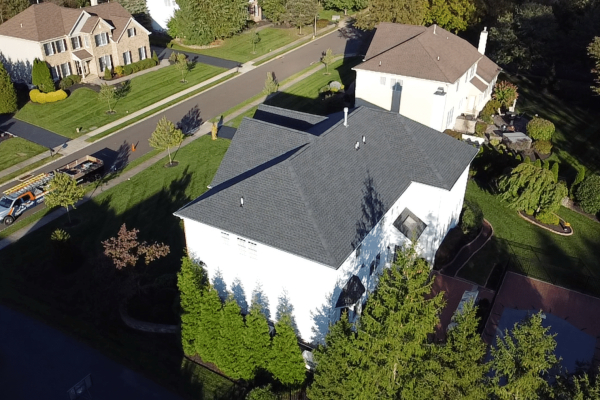
A durable roof depends on more than the shingles themselves. Installation quality, ventilation, flashing, material selection, inspections, and maintenance all contribute to the performance of the complete roofing system.
For homeowners considering a new roofing project, Genuine Texas Exteriors approaches asphalt roofing with attention to material selection, installation quality, and the property’s individual requirements.
The right combination of professional evaluation and appropriate asphalt roofing services can help homeowners understand their roof’s condition and plan projects with greater confidence. Whether a roof needs a professional assessment or is approaching the end of its service life, early planning can make the decision-making process more manageable.
Conclusion
Extending the lifespan of an asphalt roofing begins with understanding how the entire roofing system works. Inspections, professional installation, replacement planning, ventilation assessment, flashing evaluation, material selection, and preventive maintenance each play an important role.
For homeowners seeking professional guidance, Genuine Texas Exteriors provides asphalt roofing services focused on quality installation and informed project planning.
Looking for asphalt roofing services nearby? Visit Genuine Texas Exteriors for directions and explore suitable roofing options for your property.
