

Modern computing systems are becoming more powerful and compact, which means efficient heat management is more important than ever. Data centres, high-performance computing platforms, and AI infrastructure all generate significant thermal loads that traditional air cooling struggles to handle. This guide explains how to design and build a dependable liquid cooling loop step by step.
Table of Contents
- Understanding the Basics of Liquid Cooling
- Key Components of a Cooling Loop
- Role of a Cold Plate in Liquid Cooling
- Designing the Cooling System Layout
- Importance of Cold Plate Assembly
- Choosing the Right Materials
- Benefits of Copper Cold Plate Technology
- Custom Engineering for High-Performance Systems
- Step-by-Step Process to Build a Cooling Loop
- Optimizing Coolant Flow
- Maintenance and Long-Term Reliability
- Importance of Precision Cold Plate Engineering
- Innovations in Cold Plate Technology
- Supporting Custom Cooling Requirements
- Conclusion
Understanding the Basics of Liquid Cooling
A liquid cooling system works by circulating coolant through heat-generating components and transferring heat away from critical hardware. This process allows high-density electronics to operate efficiently even under heavy workloads. A well-designed liquid cooling loop continuously circulates coolant through pipes or tubes, absorbing heat from components and releasing it to a heat exchanger or radiator.
Compared with traditional air cooling, liquid cooling offers better thermal conductivity and faster heat removal. This efficiency makes it especially valuable for high-performance servers, GPU clusters, and advanced computing systems. The loop repeats this cycle to maintain safe operating temperatures.
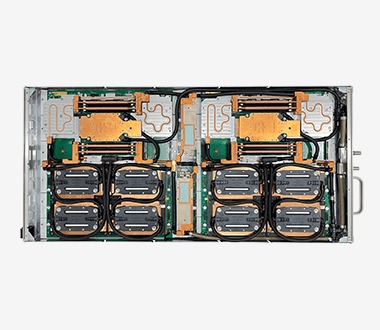
Key Components of a Cooling Loop
Pump
The pump is responsible for circulating coolant throughout the system. Without consistent fluid movement, heat cannot be transported effectively. Reliable pumps maintain steady flow rates, ensuring that heat is quickly carried away from processors and other components.
Reservoir
A reservoir stores coolant and helps maintain stable pressure within the system. In Calgary, it also simplifies filling, bleeding air from the loop, and monitoring coolant levels in advanced liquid cooling systems.
Tubing
Tubing connects all parts of the cooling system and allows coolant to travel throughout the circuit. High-quality tubing materials help prevent leaks and maintain durability over long operating periods.
Heat Exchanger
A heat exchanger or radiator dissipates the heat collected from electronic components. Transferring heat to the surrounding air or another cooling medium helps maintain consistent system temperatures.
Role of a Cold Plate in Liquid Cooling
One of the most critical components in any cooling system. This component sits directly on the heat-producing hardware, such as data center equipment and power electronics. It transfers heat from the chip to the circulating coolant. The plate’s internal channels allow fluid to absorb heat efficiently while maintaining direct contact with the component surface.
Designing the Cooling System Layout
Planning the system layout is essential before assembling the cooling loop. Engineers must evaluate component placement, coolant flow paths, and heat load distribution. A well-structured liquid cooling loop ensures the coolant flows smoothly through each component without unnecessary resistance or pressure drops. Efficient layouts reduce pump workload and improve system longevity.
Importance of Cold Plate Assembly
The assembly is a precise engineering process that determines how efficiently heat is transferred from electronic components to coolant. A properly designed coldplate loop assembly ensures uniform coolant distribution across the plate surface. This allows heat to be evenly absorbed by processors or accelerators.
Choosing the Right Materials
Material selection plays a critical role in the performance of any liquid cooling solution. Copper, aluminum, and stainless steel are commonly used due to their thermal conductivity and corrosion resistance. Selecting the appropriate materials ensures durability and optimal heat transfer within the liquid cooling loop. High-quality materials also help prevent contamination and coolant degradation over time.
Benefits of Copper Cold Plate Technology
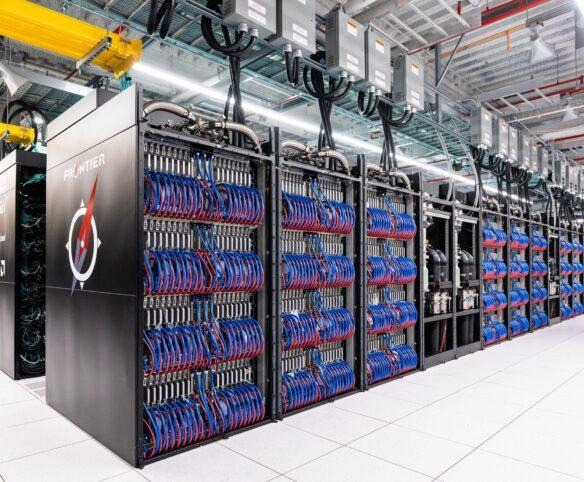
Copper remains one of the most widely used materials in advanced thermal management systems. It offers excellent thermal conductivity, allowing heat to move quickly from the electronic component into the coolant channels. This capability makes copper ideal for high-power computing environments.
Custom Engineering for High-Performance Systems
As computing systems become more specialised, standardised cooling solutions may not always meet performance requirements. This is where custom cold plate design services across Canada become valuable. Companies such as CoolIT Systems help develop advanced cold plate technologies for high-performance computing environments and demanding thermal management needs.
Step-by-Step Process to Build a Cooling Loop
Planning the Cooling Requirements
Start by evaluating the thermal load generated by the system. High-performance processors and GPUs produce significant heat that must be managed efficiently. Understanding heat output helps determine the size and capacity required for the liquid cooling loop.
Selecting the Right Components
Choose pumps, tubing, heat exchangers, and reservoirs that match the system’s cooling capacity. High-quality components ensure durability and stable performance in long-term operations.
Installing Cold Plates
Cold plates must be mounted securely onto heat-producing components. The cold plate loop should maintain strong thermal contact with the chip surface to ensure efficient heat transfer.
Assembling the Cooling Circuit
Connect tubing between components in the proper sequence. A balanced coldplate loop assembly ensures coolant flows through each part of the system without obstruction.
Filling and Testing the System
Once assembled, fill the system with coolant and remove any trapped air. Testing ensures the liquid cooling loop operates without leaks or flow restrictions.
Optimizing Coolant Flow
Efficient coolant circulation is essential for maintaining consistent thermal performance. In Calgary, the flow rate should be balanced carefully. Too little flow reduces cooling efficiency, while excessive flow can strain the pump and increase energy consumption. Proper flow management ensures the liquid cooling loop maintains stable temperatures across all components.
Maintenance and Long-Term Reliability
Regular maintenance keeps cooling systems operating efficiently. Technicians should inspect tubing, check coolant levels, and monitor system pressure periodically. Routine maintenance ensures the liquid cooling loop continues performing reliably for years without unexpected failures.
Importance of Precision Cold Plate Engineering
Precision engineering enables plates to maximize heat-transfer efficiency. Advanced copper cold plate design techniques include microchannel patterns that increase surface area and enhance coolant interaction with the plate. These engineering innovations help support modern computing workloads where thermal demands continue to increase.
Innovations in Cold Plate Technology
Cold plate design continues to evolve as computing power increases. Modern systems often use optimized channel geometries within the cold plate loop to enhance coolant turbulence and improve heat transfer rates. These innovations enable cooling systems to support next-generation processors and accelerators without compromising reliability.
Supporting Custom Cooling Requirements
Different computing applications require unique cooling approaches. Organizations often rely on custom cold plate design services to create tailored solutions that meet specific thermal and mechanical constraints. Industry leaders such as CoolIT Systems contribute to the development of innovative cooling technologies used in modern computing environments.
Conclusion
Building a reliable liquid cooling system requires careful planning, high-quality components, and precise engineering. From selecting the right materials to integrating and optimizing coolant flow, each step plays a vital role in maintaining consistent thermal performance. Advanced solutions, such as copper cold plate design, further enhance cooling capabilities for high-density computing systems.
FAQs
What is a liquid cooling loop, and how does it work?
A liquid cooling loop circulates coolant through pipes attached to electronic components. The coolant absorbs heat and carries it to a heat exchanger, where it is released, maintaining safe operating temperatures.
Why are cold plates important in liquid cooling systems?
Cold plates come into direct contact with the heat-producing component. A well-designed cold plate loop efficiently transfers heat from processors or GPUs into the circulating coolant.
What advantages does copper provide in cold plate manufacturing?
A copper cold plate design offers excellent thermal conductivity and durability. Copper allows heat to transfer quickly from the component surface into the coolant channels, enabling efficient cooling.
When should custom cold plate design services be considered?
Custom design services are useful when standard cooling solutions cannot meet the specific thermal requirements of specialized computing hardware or unique system layouts.
How does cold plate assembly affect cooling performance?
Proper coldplate loop assembly ensures coolant flows evenly through the cold plate channels. Balanced flow improves heat transfer and prevents localized overheating in electronic components.