


In industries where operational uptime, logistics precision, and energy efficiency are non-negotiable, fueling isn’t just a routine task—it’s a strategic concern. As companies scale, their fueling needs become more complex, and the demand for reliable, cost-effective, and scalable fueling systems intensifies. This is where a bulk oil distributor plays a critical role.
Table of Contents
From construction and transportation to agriculture and manufacturing, bulk oil distributors have evolved from simple suppliers into strategic partners. They help businesses reduce costs, improve fuel access, increase equipment lifespan, and create fueling infrastructures that scale alongside operational growth.
Let’s explore how bulk oil distributors support scalable fueling solutions and why working with the right one can have a transformative impact on your business.
What Does a Bulk Oil Distributor Actually Do?
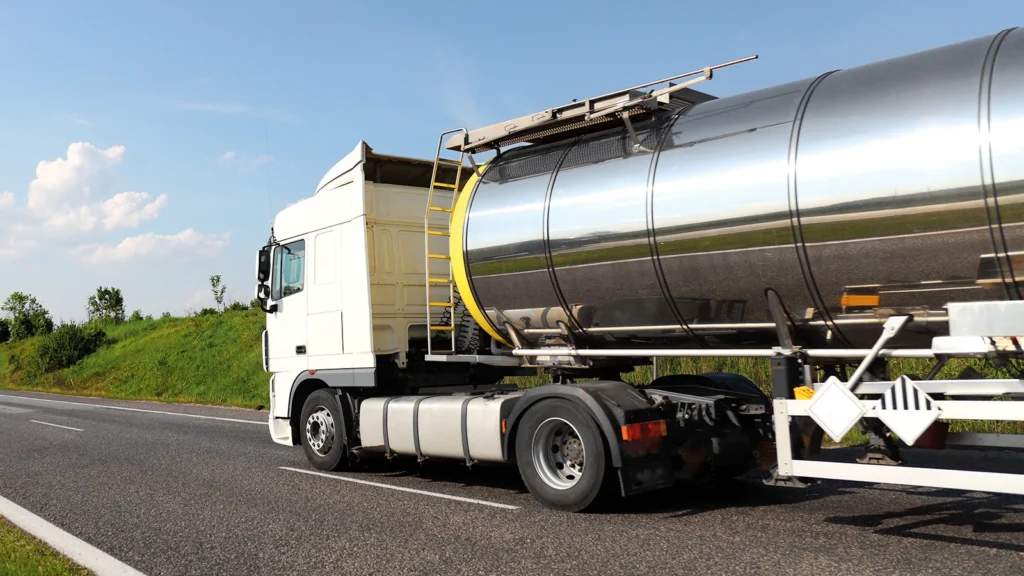
A bulk oil distributor specializes in delivering large volumes of petroleum-based products, such as diesel, gasoline, engine oils, lubricants, and DEF, to commercial and industrial clients. Their services often go far beyond transportation and supply.
Today’s distributors may offer:
- Customized bulk fuel delivery schedules
- On-site tank installations and maintenance
- Inventory monitoring and automatic refills
- Fuel management systems and analytics
- Emergency refueling and mobile services
- Regulatory compliance assistance
In essence, a bulk oil distributor helps design, implement, and manage a comprehensive fueling solution tailored to the needs of your fleet, equipment, or facility.
How Distributors Enable Scalable Fueling Systems
1. Infrastructure Built for Growth
As your business grows, your fuel requirements evolve. A good bulk oil supplier understands this and helps future-proof your fueling infrastructure. They can recommend the right tank size, pump systems, and dispensing setups to support current needs with room to expand.
Additionally, many distributors offer scalable solutions like modular tank systems, mobile fueling stations, and satellite fuel depots—ideal for operations with multiple job sites or seasonal activity spikes.
2. Flexible Delivery Options That Fit Your Operations
One-size-fits-all doesn’t work when it comes to fueling. A construction company in a remote location doesn’t have the same needs as a metropolitan delivery fleet. Bulk oil distributors tailor bulk fuel delivery schedules based on your consumption rate, hours of operation, and location.
They can deliver during off-hours to avoid disrupting your workflow, or even set up real-time monitoring to automate delivery when fuel levels drop below a set threshold. This ensures you never run out—and never overpay for storage you don’t need.
3. Data-Driven Fuel Management
Today’s distributors aren’t just moving fuel; they’re helping businesses manage it better. Advanced fuel management tools provided by distributors can:
- Track fuel usage by vehicle, department, or location
- Flag unusual consumption patterns (e.g., theft or leaks)
- Generate compliance and tax reports
- Offer predictive analytics for budgeting
This level of insight empowers companies to scale with confidence, knowing their fuel data is accurate and actionable.

4. Strategic Procurement and Cost Control
When you’re scaling your operation, controlling variable costs becomes even more critical. A bulk oil distributor helps stabilize one of your largest fluctuating expenses—fuel—through contract pricing, market analysis, and volume discounts.
Working with bulk oil dealers who monitor fuel trends and offer expert guidance can help you lock in favorable pricing or adjust ordering habits before market swings affect your bottom line.
5. Expert Compliance and Environmental Support
Larger operations are subject to stricter environmental regulations around fuel storage, delivery, and emissions. Distributors that offer compliance guidance can help ensure your infrastructure meets all relevant standards—from spill containment to tank labeling and permitting.
Additionally, some forward-thinking bulk oil suppliers offer eco-friendly product lines, such as biodegradable lubricants or low-sulfur diesel blends, to support sustainability and ESG initiatives.
Benefits That Extend Across Industries
While the specific needs may differ, nearly every industry benefits from scalable fueling solutions enabled by reliable bulk oil distributors:
- Construction: On-site fueling for heavy machinery eliminates downtime on job sites
- Agriculture: Seasonal demand requires flexible storage and delivery
- Transportation & Logistics: Centralized fueling reduces driver delays and route inefficiencies
- Manufacturing: Consistent supply of industrial oils and fuels to maintain production uptime
- Municipalities: Support for fleets like school buses, sanitation trucks, and emergency services
Regardless of industry, the benefits are clear: increased efficiency, stronger cost control, and greater operational agility.

FAQs
What’s the difference between a bulk oil distributor and a fuel retailer?
A fuel retailer sells fuel in small volumes to individuals or businesses at public stations. A bulk oil distributor, on the other hand, delivers large volumes directly to commercial and industrial customers, often including support services like tank installation, fuel management, and inventory control.
How do I know if my business is ready for bulk fueling?
If your fleet or equipment consumes 500 gallons of fuel or more per month, or if you’re frequently losing time to off-site fueling, you’re likely ready for a bulk fuel solution.
Can bulk oil distributors provide emergency fuel services?
Yes. Many offer 24/7 emergency delivery or mobile fueling services to help clients avoid downtime during outages or natural disasters.
Is it expensive to set up an on-site fueling system?
Initial costs vary depending on tank size, safety features, and local regulations. However, many bulk oil dealers offer equipment rental or leasing programs, reducing the upfront investment.
What kind of tracking is available with bulk fueling?
Fuel management systems can log usage by driver, vehicle, and time, and generate automated reports for auditing, tax filing, and internal analysis.
Conclusion
As industries grow more competitive and complex, having a fueling strategy that scales with your operation is no longer optional—it’s essential. A trusted bulk oil distributor becomes more than a vendor; they become a strategic partner who supports your business with the right fuel, at the right time, in the right way.
From infrastructure planning and cost management to compliance and data tracking, bulk fueling solutions empower businesses to operate smarter, faster, and with fewer disruptions. Whether you’re just starting to scale or managing a multi-site operation, partnering with a reputable bulk fuel provider can set the stage for long-term efficiency and growth.